

Fluoride Versus Herbal Toothpaste: Which Fits?
Fluoride versus herbal toothpaste is not a choice between “clinical” and “natural.” It is a decision about what your mouth needs most right now. If you are prone to cavities, have exposed roots, wear braces, experience dry mouth, or have had recent dental work, cavity prevention deserves serious attention. If your gums feel tender, your mouth reacts to strong flavors or foaming agents, or you want a cleaner daily formula, botanical ingredients may be a meaningful part of your routine.
The best answer is often more personal than the label suggests. Toothpaste is only one piece of oral wellness, alongside thorough brushing, daily cleaning between teeth, hydration, nutrition, regular dental visits, and attention to gum inflammation before it becomes a larger problem.
Fluoride Versus Herbal Toothpaste: Know the Difference
Fluoride is a naturally occurring mineral used in many toothpastes because it helps strengthen enamel. Every day, acids from food, drinks, and oral bacteria can soften enamel. Fluoride supports remineralization, helping the tooth surface become more resistant to future acid attacks. That is why fluoride toothpaste remains a standard recommendation for people with an elevated cavity risk.
Herbal toothpaste is defined more by its formulation approach than by one single active ingredient. It may include botanicals and traditional oral-care ingredients such as neem, clove, peppermint, cinnamon, coconut-derived ingredients, xylitol, baking soda, mineral salts, or Ayurvedic herbs. These formulas are often chosen by people seeking options without artificial colors, harsh detergents, alcohol, synthetic flavors, or sodium lauryl sulfate.
Here is the detail that matters: herbal does not automatically mean fluoride-free. Some formulas pair plant-based ingredients with fluoride, while others are entirely fluoride-free. Likewise, a fluoride toothpaste is not automatically harsh. Read the full ingredient panel rather than relying only on the front of the package.
Nano-Hydroxyapatite vs. Fluoride Toothpaste: Understanding Your Options
Choosing a toothpaste should not simply be a choice between “clinical” and “natural.” The better question is: What ingredients make sense for your mouth and your daily oral-care routine? For decades, fluoride has been one of the most familiar ingredients in toothpaste. Today, another mineral-based ingredient—nano-hydroxyapatite (nHA)—is receiving increasing attention in oral care. Nano-hydroxyapatite is a form of hydroxyapatite, a mineral closely related to the mineral naturally found in tooth enamel. It is now being incorporated into toothpastes for people interested in a different approach to mineral-based oral care. As a registered dental hygienist with more than 40 years in dentistry, I believe consumers should understand what is in the products they use every day—and why those ingredients are there. What Is Nano-Hydroxyapatite? Hydroxyapatite is a calcium-phosphate mineral and a major structural component of tooth enamel and dentin. Nano-hydroxyapatite consists of extremely small particles of this mineral. Its small particle size allows it to interact closely with the tooth surface, which is why it has become an ingredient of interest in modern oral-care formulations. Rather than thinking of nano-hydroxyapatite as simply another trendy “natural” ingredient, it is more useful to think of it as mineral technology inspired by the composition of teeth themselves. That distinction matters. How Nano-Hydroxyapatite Is Used in Toothpaste Your teeth are constantly exposed to challenges throughout the day. Foods, beverages, oral bacteria, and acids can contribute to periods of mineral loss at the enamel surface. Saliva naturally plays an important role in maintaining the mineral balance of the mouth. Toothpaste containing nano-hydroxyapatite is formulated to provide a source of hydroxyapatite particles during brushing. Research into hydroxyapatite toothpastes is ongoing. But toothpaste is only one part of the picture. Your brushing technique, diet, saliva, cavity risk, frequency of snacking, professional dental care, and daily cleaning between the teeth all contribute to oral health. Nano-Hydroxyapatite vs. Fluoride Toothpaste Fluoride and nano-hydroxyapatite should not necessarily be viewed as a battle between “good” and “bad” ingredients. They represent different approaches to toothpaste formulation. Fluoride has a long history of use in cavity-prevention toothpastes and remains widely recommended by dental organizations. Nano-hydroxyapatite provides another mineral-based approach and is increasingly found in toothpastes, including fluoride-free formulations. For consumers specifically seeking a fluoride-free toothpaste, nano-hydroxyapatite offers an ingredient worth understanding. Individual needs vary, however. Someone with frequent cavities, significant dry mouth, exposed root surfaces, orthodontic appliances, or other dental conditions should discuss the most appropriate toothpaste and preventive routine with their dental professional. Why Formulation Matters One ingredient does not tell you everything about a toothpaste. Look at the entire formula. A toothpaste may contain mineral ingredients along with botanicals, essential oils, flavoring ingredients, abrasives, detergents, sweeteners, and other components. Some people prefer a toothpaste without certain artificial colors or strong foaming agents. Others simply want something that feels comfortable enough to use consistently. That last point is important. The best daily routine is one you will actually follow. If a toothpaste feels overwhelmingly strong, excessively foamy, or uncomfortable, you may find yourself brushing for less time or avoiding it altogether. Consistency matters. Nano-Hydroxyapatite and Botanical Ingredients Modern oral care does not have to be a choice between mineral science and botanical ingredients. A thoughtfully formulated toothpaste can incorporate both. Nano-hydroxyapatite can provide the mineral component of a formulation, while carefully selected botanical ingredients can contribute to flavor and the overall brushing experience. This is an approach I particularly appreciate: combining ingredients thoughtfully rather than assuming that everything must fall into either a “natural” or “conventional” category. Consumers should still read ingredient labels carefully. “Natural” does not automatically mean that every ingredient is appropriate for every person. Essential oils and strong flavors, for example, can be irritating for some sensitive mouths. Pay attention to how your mouth responds.
What About Sensitive Teeth?
Tooth sensitivity can have many causes. Recession, enamel wear, exposed dentin, cavities, cracked teeth, aggressive brushing, whitening overuse, and other dental conditions may all contribute to sensitivity. However, persistent or severe sensitivity should not simply be covered up with a new toothpaste. If a tooth suddenly becomes sensitive, the discomfort persists, or you experience pain when biting, have the area evaluated by a dental professional. Your Toothbrush Matters Too Even an excellent toothpaste cannot compensate for overly aggressive brushing. Use a soft-bristled toothbrush and gentle pressure. Scrubbing harder does not automatically mean cleaner teeth. Excessive pressure can irritate soft tissues and contribute to wear in vulnerable areas over time. Brush thoroughly for approximately two minutes and make sure you reach the gumline and all tooth surfaces. And don't forget the spaces your toothbrush cannot adequately reach. Cleaning between the teeth every day remains an essential part of a complete oral-care routine. Look Beyond the Front of the Package Marketing language can make almost any toothpaste sound impressive. Turn the package around and read the ingredient list. If you are interested in nano-hydroxyapatite, look for it specifically in the formulation rather than assuming that words such as “mineral,” “natural,” or “remineralizing” automatically mean the product contains it. Also consider the rest of the formula. What type of abrasive is being used? Does the toothpaste contain strong detergents? Are there ingredients you personally prefer to avoid? How does the toothpaste feel when you brush? A beautiful package matters far less than what is actually inside it. Oral Care Is More Than Toothpaste One of the biggest mistakes consumers can make is expecting a single product to solve every oral-health concern. No toothpaste replaces professional diagnosis or treatment. Persistent bleeding, swelling, tooth pain, significant sensitivity, loose teeth, recurring cavities, or other changes should be professionally evaluated. Your everyday routine should instead support the fundamentals: Brush gently and thoroughly. Clean between your teeth every day. Keep your tongue clean. Stay hydrated. Pay attention to your diet and frequency of snacking. Visit your dental professional regularly. Then choose oral-care products that complement that foundation. Why I Believe in a Mineral-Based Approach After more than four decades in dental hygiene, I have watched oral care change tremendously. Consumers today are more educated about ingredients. They read labels. They ask questions. They want to understand not only what is in a product, but why it is there. I believe that is a positive change. My philosophy at Dale Audrey R.D.H. is not about making dramatic promises. It is about creating a thoughtful daily oral-care experience and helping people become more engaged with the health and care of their mouths. That philosophy is one reason nano-hydroxyapatite is so interesting to me. It brings mineral science into a modern oral-care formulation while giving consumers seeking a fluoride-free routine another option to explore. The Bottom Line You do not need to choose a toothpaste because of a marketing trend or because someone on social media tells you one ingredient is universally right or wrong. Understand the ingredients. Understand your own mouth. Then build a routine you can maintain. Nano-hydroxyapatite is a mineral-based toothpaste ingredient related to the mineral naturally present in teeth, and it is increasingly being studied and used in modern oral care. For people interested in a fluoride-free approach, it represents an important formulation option worth knowing about. And whatever toothpaste you choose, remember that no ingredient replaces the basics: consistent brushing, daily cleaning between the teeth, good nutrition, appropriate professional care, and paying attention when your mouth tells you something has changed. Healthy habits practiced every day are what make the difference.
When Herbal Toothpaste May Be a Better Daily Fit
Some people stop brushing as thoroughly as they should because their toothpaste stings, foams excessively, leaves their mouth feeling dry, or has an overpowering artificial taste. In that situation, a gentle herbal toothpaste can help make consistent brushing more comfortable. Consistency matters. The most carefully formulated product cannot help if it sits unused in the bathroom cabinet.
Botanical formulas can also be appealing for those focused on gum comfort, breath freshness, and a low-additive routine. Ingredients such as peppermint and clove can create a clean, refreshing feel, while a thoughtfully formulated toothpaste may avoid the artificial colors, aggressive abrasives, and unnecessary fillers that many wellness-minded families prefer to leave out.
Still, “natural” is not a free pass for every ingredient. Essential oils and strong botanical extracts can irritate sensitive tissues in some people. Baking soda can be useful in a balanced formula, but abrasive toothpastes used with a heavy hand can contribute to wear over time. If your mouth burns, peels, feels unusually dry, or becomes more sensitive after switching products, stop using it and reassess the formula.
Herbal toothpaste can be a sensible choice for a person with low cavity risk who wants a fluoride-free routine, but it works best when the rest of the routine is disciplined. Plaque must still be physically removed every day. No herb, rinse, or whitening ingredient replaces careful brushing along the gumline and cleaning between teeth.
Choose Based on Your Mouth, Not Marketing
A label cannot diagnose gum disease, enamel erosion, or a cavity forming between teeth. Start with your own history. Do your gums bleed when you brush or floss? Are you getting cavities despite brushing? Do you wake with a dry mouth? Are your teeth increasingly sensitive to cold? Those are useful clues, not problems to ignore.
If bleeding is persistent, focus first on plaque control and professional evaluation. Bleeding gums are often a sign of inflammation, and simply switching to a stronger mint flavor will not solve it. Use a soft brush, clean gently at the gumline, clean between teeth daily, and choose products that do not discourage you from caring for sore areas. If bleeding continues, schedule an examination.
If sensitivity is your concern, look beyond the fluoride question. Sensitivity can come from recession, enamel wear, cavities, cracked teeth, aggressive brushing, whitening overuse, or gum inflammation. A gentle toothpaste and soft brushing technique may help, but ongoing or severe sensitivity deserves professional attention.
If fresh breath is your main goal, consider what is causing the odor. Dry mouth, plaque between teeth, gum inflammation, tongue coating, certain foods, tobacco use, and untreated decay can all contribute to halitosis. A pleasant herbal flavor can freshen breath temporarily, but long-lasting improvement depends on reducing the source of odor.
A Balanced Routine Can Include Both Approaches
You do not have to build your entire oral-care routine around one ingredient. Some people use a fluoride toothpaste as their twice-daily cavity-prevention step and choose botanical products for other parts of their routine, such as an alcohol-free mouthwash, an oil-pulling rinse, a salt-water rinse, or gum-care support. Others prefer a fluoride-free herbal toothpaste but work closely with their dental team to monitor cavity risk.
At Dale Audrey R.D.H., the goal of natural oral care is not to make dramatic promises. It is to give people gentle, professionally informed tools that support daily prevention. A clean formula, a comfortable brushing experience, and clear instructions can make a real difference when they help you care for your mouth consistently.
Be cautious with any product that claims to cure gum disease, rebuild severely damaged teeth, or replace dental treatment. Toothpaste supports prevention. It cannot remove hardened tartar, repair a deep cavity, or treat an infection. Those concerns require a dentist or dental hygienist who can examine what is happening below the surface.
What to Look for on the Label
When comparing formulas, check whether the toothpaste contains fluoride and, if so, which type. Then look at the full formulation: abrasives, detergents, flavors, sweeteners, essential oils, and any ingredients you personally avoid. A toothpaste can be fluoride-free and still contain ingredients that do not suit a sensitive mouth. It can also contain fluoride while remaining free from artificial colors and harsh foaming agents.
Consider the texture, too. A powder, paste, or gel may feel different, but technique matters more than format. Use a soft brush, light pressure, and small circles along the gumline. Scrubbing harder does not remove plaque better. It can irritate gums and wear exposed areas of teeth.
The right toothpaste should make daily care feel sustainable, not stressful. If you have a low cavity risk and want a carefully chosen herbal formula, that may fit beautifully into your wellness routine. If your history points to higher cavity risk, fluoride may be the protection your enamel needs. And if you are unsure, bring your toothpaste label to your next dental visit and ask for guidance tailored to your mouth.
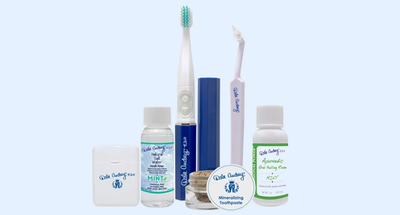
Shop the Dale Audrey Ayurvedic Toothpaste with Nano-Hydroxyapatite
These statements have not been evaluated by the Food and Drug Administration. Our products are not intended to diagnose, treat, cure or prevent any disease. Always see your dental professional regularly.


Leave a comment