

Alcohol Free Mouthwash for Dry Mouth: What to Know
That sharp sting after rinsing is not something you need to “push through.” When your mouth already feels sticky, thirsty, or uncomfortable, alcohol free mouthwash for dry mouth can be a gentler addition to your routine. The right rinse supports a fresher-feeling mouth without adding the intense burn or dryness that can make a dry-mouth problem feel worse.
Dry mouth is more than a minor annoyance. Saliva helps rinse away food particles, balance acids, protect enamel, support comfortable chewing and speaking, and keep oral bacteria in check. When saliva flow drops, plaque can accumulate more easily, breath may become stale, and teeth and gums can become more vulnerable to irritation and decay.
Why dry mouth changes your oral-care needs
A dry mouth can show up as a cottony feeling, thick saliva, cracked lips, a dry tongue, trouble swallowing dry foods, frequent thirst, or bad breath that returns quickly after brushing. Some people notice a burning sensation or changes in taste. Others first recognize the issue when they begin getting more cavities, especially around the gumline or at the edges of existing dental work.
There is rarely one universal cause. Dry mouth may be connected to medications, including many allergy, cold, blood-pressure, anxiety, pain, and bladder-control medicines. It can also occur with dehydration, mouth breathing, smoking or vaping, alcohol use, hormonal changes, stress, certain health conditions, and cancer treatments. Sleeping with an open mouth can leave you waking up with a particularly dry, unpleasant feeling.
That is why a rinse alone is not a cure for dry mouth. It is one supportive step. If your symptoms are persistent, worsening, or affecting eating, speaking, sleep, or your dental health, bring them to your dentist, physician, or pharmacist. Do not stop a prescribed medication without medical guidance.
Why alcohol can be a poor fit
Alcohol is used in some conventional mouthwashes to create a strong sensation and help carry flavoring ingredients. But a strong burn is not proof that a mouthwash is working better. For a person with dry mouth, an alcohol-containing rinse can feel harsh and may contribute to the dry, tight feeling they are trying to manage.
An alcohol-free formula is often the more comfortable choice for people with sensitive gums, mouth sores, a burning mouth, or reduced saliva flow. It can also be a sensible option for families and anyone who prefers to avoid alcohol in daily personal-care products.
Still, “alcohol-free” is only the starting point. A rinse can skip alcohol yet still contain ingredients that feel overly intense, such as aggressive flavor systems or unnecessary artificial additives. The goal is not simply to avoid one ingredient. The goal is to choose a rinse you can use consistently without discomfort.
What to look for in alcohol free mouthwash for dry mouth
Start with a clean, gentle formula that is designed for daily use. Look for clear ingredient disclosure and avoid a product that makes your mouth feel numb, overly tingly, or irritated after rinsing. A pleasant flavor matters, but it should not overpower a mouth that is already sensitive.
Hydration-supportive ingredients can be useful, depending on the formula. Glycerin, aloe, xylitol, and mineral-rich salt-water rinses are commonly considered by people seeking a more comfortable oral-care routine. Xylitol may be especially helpful in a dry-mouth routine because it can encourage saliva flow when used in appropriate products such as gum or lozenges. It is not a substitute for brushing, flossing, or professional dental care, but it can be a helpful tool.
Choose a mouthwash that complements your complete routine. You still need a soft-bristled toothbrush, a fluoride toothpaste if recommended by your dental professional, and daily cleaning between teeth. If your gums bleed when you brush or floss, do not ignore it. Bleeding can point to gum inflammation and plaque buildup, both of which deserve consistent home care and a dental evaluation.
Be thoughtful with acidic products. A dry mouth has less natural protection against acid, so frequent use of acidic rinses, citrus-heavy mixtures, or vinegar-based home remedies may not be a wise choice. “Natural” should never mean harsh on enamel or irritated gums.
How to use a gentle rinse without overdoing it
Use your alcohol-free mouthwash according to its label directions. Many rinses are used after brushing and flossing, while others may be used at different times of day for a quick refresh. Swish gently rather than aggressively, and spit it out unless the product specifically says otherwise.
For people who wake with severe dryness, rinsing in the morning may feel especially comforting. If your mouth becomes dry throughout the day, it may help to use a gentle rinse when needed, provided the directions allow it. Keep water nearby and take small, regular sips rather than waiting until you feel intensely thirsty.
Timing matters if you use a fluoride toothpaste. After brushing, spit out the excess toothpaste but avoid immediately rinsing vigorously with water, since that can wash away fluoride left on the teeth. If you use mouthwash after brushing, ask your dental professional about the best timing for your individual routine, particularly if you are prone to cavities.
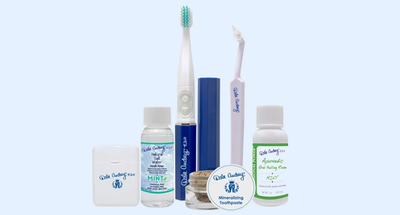
Dale Audrey R.D.H. approaches daily oral wellness with the same principle: professional-level oral care should feel gentle enough to use consistently. A clean, alcohol-free rinse can support comfort, freshness, and a proactive routine without relying on harsh additives or a burning sensation.
Small habits that can make a real difference
Your mouthwash works best alongside habits that protect saliva and reduce irritation. Limit frequent sipping of sugary drinks, sports drinks, soda, and acidic flavored waters. Even when a drink does not taste very sweet, repeated exposure can feed bacteria or challenge enamel over the course of the day.
Caffeine and alcohol can leave some people feeling drier, especially when hydration is already low. You do not necessarily have to eliminate them completely, but notice how your mouth feels and balance them with water. If you smoke or vape, reducing or quitting can benefit your mouth, gums, breath, and overall health.
At night, consider whether mouth breathing is part of the problem. Congestion, allergies, snoring, and sleep-disordered breathing can all contribute to waking with a dry mouth. A humidifier may improve comfort for some people, but chronic snoring, gasping, or daytime exhaustion deserves a medical conversation.
Chewing sugar-free gum or using xylitol lozenges can stimulate saliva for many adults. Keep xylitol products away from dogs, however, because xylitol is highly toxic to pets. For children, choose age-appropriate products and supervise use to prevent swallowing.
When dry mouth needs professional attention
Make a dental appointment if dry mouth has become frequent, if you have new or recurring cavities, if your gums are swollen or bleeding, or if you notice mouth sores that do not heal within two weeks. Also seek care for white or red patches, pain, difficulty swallowing, swelling, numbness, or a persistent burning sensation.
Your dental team can look for signs of enamel wear, plaque accumulation, gum inflammation, fungal overgrowth, and decay that may be easier to miss at home. They can also recommend fluoride support, dry-mouth products, and a preventive schedule based on your personal risk.
A comfortable rinse is a simple daily choice, but it can be meaningful when your mouth is struggling to stay balanced. Choose gentleness, pay attention to changes, and give your saliva the support it needs to do its protective work.
Explore more natural oral-care products and oral wellness education at Dale Audrey RDH
www.daleaudrey.com


Leave a comment