

Bleeding Gums: Gentle Daily Care and When to See a Dentist
A pink toothbrush or blood in the sink can feel alarming, especially when you are already brushing and flossing. If your gums bleed, the first step is understanding that bleeding is not something to brush off. It is often your gums' early signal that plaque, irritation, or inflammation needs more attention.
The encouraging news is that mild bleeding caused by plaque buildup often improves with a consistent, gentle home routine. The goal is not to scrub harder or reach for harsh ingredients. It is to clean thoroughly and gently, and give your gums the daily care they need. If bleeding is frequent, heavy, painful, or persistent, natural care should work alongside professional dental evaluation, not replace it.
Why Gums Bleed When You Brush or Floss
Healthy gums should not routinely bleed. The most common reason they do is gingivitis, an early stage of gum inflammation. Plaque is a sticky film of bacteria that gathers at the gumline. When it is not removed completely, the gums can become puffy, tender, and more likely to bleed during brushing or flossing.
A new flossing habit can also trigger light bleeding at first. This does not mean flossing is harming your gums. It often means the floss is reaching inflamed areas that have not been cleaned consistently. With proper technique and daily care, mild bleeding may improve within one to two weeks.
Other factors can contribute, including a hard-bristled toothbrush, aggressive brushing, dry mouth, tobacco use, pregnancy, poorly controlled diabetes, certain medications, nutritional deficiencies, and tartar buildup. Tartar is hardened plaque that cannot be removed with a toothbrush at home. If it is present along or below the gumline, a professional cleaning is necessary.
Gentle Daily Care for Bleeding Gums
Natural gum care works best when it is simple enough to repeat every day. A beautiful herbal rinse cannot overcome rushed brushing, and a premium toothbrush cannot compensate for skipping the gumline. Consistency is where results begin.
Use a soft brush and gentle pressure
Choose a soft-bristled toothbrush or a quality sonic toothbrush with a gentle setting. Position the bristles at a slight angle toward the gumline and use small, controlled movements. Do not saw back and forth or press until the bristles flatten. More pressure does not mean cleaner teeth. It can irritate gums, wear enamel near the gumline, and worsen sensitivity.
Brush for a full two minutes, twice daily. Spend extra time where teeth meet gums, behind the lower front teeth, and around back molars. These areas commonly hold plaque because they are easy to miss.
Clean between your teeth every day
Flossing or using an appropriately sized interdental brush is one of the most effective natural steps for bleeding gums because a toothbrush cannot clean the tight spaces between teeth. Gently guide floss between each tooth, curve it into a C shape around one tooth, and slide it slightly beneath the gumline before cleaning the neighboring tooth.
Avoid snapping floss down into the gums. If your gums bleed lightly, continue gently each day rather than stopping. In many cases, consistent plaque removal helps inflammation settle. If bleeding does not improve after about two weeks of careful daily cleaning, schedule a dental visit.
Use A Gum Stimulator
A gum stimulator is a soft rubber tip for massaging along the gumline after brushing. Please follow our directions and start with 3 times a week, increasing to daily as it feels comfortable. If bleeding continues, see your dentist.
Rinse with warm salt water
A warm salt-water rinse is a time-tested option for soothing tender gums. Mix about one-half teaspoon of Himalayan or sea salt into a cup of warm water, swish gently for 30 seconds, then spit it out. Use it once or twice a day for several days when gums feel irritated.
Salt water can be comforting, but it is not a substitute for brushing, flossing, or professional treatment. Do not swallow the rinse, and avoid making it overly salty. Too much salt can be uncomfortable and may be a concern for people following sodium-restricted diets.
Consider gentle oil pulling as an add-on
Oil pulling can be a pleasant addition to a plaque-conscious routine when it is done safely and without exaggerated expectations. Swish a small amount of a food-grade oral oil rinse gently for five to 10 minutes, then spit it into the trash instead of the sink. Follow with regular brushing and interdental cleaning.
Oil pulling may leave the mouth feeling fresh and can complement a clean oral-care routine, but it does not remove tartar or treat advanced gum disease. It should never replace fluoride toothpaste when fluoride is recommended for your cavity risk, or replace professional care when gums are persistently inflamed.
Choose oral-care formulas that do not sting
When gums are bleeding, an alcohol-heavy mouthwash or strongly flavored product may feel more punishing than helpful. Look for a gentle, alcohol-free oral rinse without artificial dyes, unnecessary additives, or harsh detergents such as SLS if those ingredients irritate your mouth.
Botanical ingredients and mineral salt rinses are often chosen for a gentle daily routine. At Dale Audrey R.D.H., our approach is rooted in more than 40 years of dental hygiene experience: clean, gentle daily care.
Support Gum Health Beyond the Bathroom
Your mouth responds to your overall health. Drinking enough water supports saliva, your body's natural cleansing system. Dry mouth allows plaque to cling more easily and can make gum discomfort feel worse. Sip water throughout the day, especially if you use medications that cause dryness or sleep with your mouth open.
Nutrition also matters. Vitamin C supports healthy connective tissue, while a balanced diet helps the body manage inflammation. Focus on whole foods such as leafy greens, bell peppers, citrus, berries, beans, eggs, fish, and crunchy vegetables. If you suspect a deficiency or have restrictive dietary needs, speak with your healthcare provider before adding supplements.
Tobacco use is especially hard on gums. It can mask bleeding while increasing the risk of serious gum disease, so the absence of blood is not always proof that gums are healthy. Quitting tobacco is one of the strongest steps you can take for oral and whole-body wellness.
Chew Sticks
Chew sticks are a traditional way to freshen breath on the go, and many people enjoy them for travel too.
What Not to Do for Bleeding Gums
Do not stop flossing simply because you see a small amount of blood. Instead, refine your technique and stay consistent. Also avoid using a toothpick, fingernail, or sharp object to dig at the gumline, which can create additional injury.
Do not place aspirin directly on gums. Aspirin can burn oral tissue and may increase bleeding. Be cautious with undiluted essential oils, acidic rinses, baking soda scrubs, and peroxide mixtures. “Natural” does not automatically mean gentle or appropriate for inflamed tissue. If a rinse burns, causes peeling, or makes sensitivity worse, stop using it.
When Bleeding Gums Need a Dental Hygienist / Dentist
A natural routine can be a helpful part of daily care, but certain symptoms deserve prompt professional attention. Make a dental appointment if bleeding lasts longer than two weeks despite daily brushing and interdental cleaning, or if you notice persistent bad breath, gum recession, pus, loose teeth, pain when chewing, swelling, or changes in how your teeth fit together.
Seek urgent medical or dental advice for heavy bleeding that will not stop, bleeding after an injury, or bleeding accompanied by unexplained bruising, fever, or feeling unwell. Tell your dentist and physician about medications, including blood thinners, because they can affect bleeding.
Your gums do not need punishment. They need gentle, thorough cleaning, hydration, and professional care when home habits are not enough. Start tonight with a soft brush, patient flossing, and a routine you can maintain.
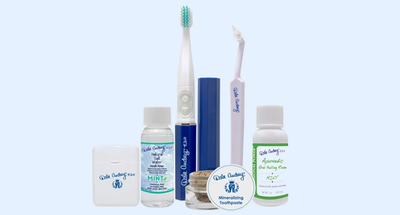
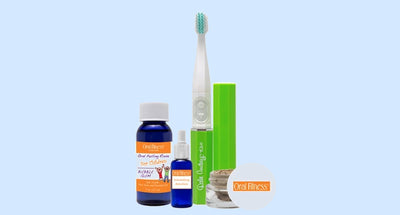
Shop the Dale Audrey Healthy Gum Package
Shop Dale Audrey Ayurvedic Neem Chew Sticks
These statements have not been evaluated by the Food and Drug Administration. Our products are not intended to diagnose, treat, cure or prevent any disease. Always see your dental professional regularly.


Leave a comment