

Natural Mouthwash for Bad Breath That Works
Bad breath that returns an hour after you rinse is frustrating, especially when you are already brushing twice a day. A natural mouthwash for bad breath can be a smart part of your routine, but it should do more than cover odor with an overpowering mint flavor. The right rinse freshens gently while supporting the daily habits that address the source of halitosis.
For many people, the source is not their stomach or a lack of mouthwash. It is bacterial buildup on the tongue, between teeth, and along the gumline. Dry mouth, gum inflammation, untreated cavities, certain foods, tobacco, and some medications can also contribute. That is why a clean, well-formulated rinse belongs in a complete oral-care plan, not in place of one.
What Causes Breath to Smell in the First Place?
Odors form when oral bacteria break down food particles, dead cells, and proteins in the mouth. This process creates volatile sulfur compounds, which are responsible for the sulfur-like odor many people recognize as persistent bad breath. The back of the tongue is a common hiding place for these bacteria, but plaque around the teeth and gums can contribute, too.
A dry mouth changes the picture. Saliva naturally washes away debris and helps maintain a healthier oral environment. When saliva is reduced overnight, during dehydration, or because of medication, bacteria and odor-causing compounds have more opportunity to build up. This is one reason morning breath is so common and why alcohol-based rinses can be a poor match for someone already dealing with dryness.
If your gums bleed when you brush or floss, feel tender, or look puffy, do not dismiss it as normal. Gum inflammation can create a bacterial burden that affects breath as well as long-term oral health. A mouthwash may help you feel fresher, but persistent symptoms deserve attention from a dental professional.
What to Look for in a Natural Mouthwash for Bad Breath
Natural does not automatically mean effective, and a beautifully labeled rinse is not necessarily gentle or useful for your specific needs. Read the ingredient panel and consider how the product fits your mouth, sensitivity level, and daily routine.
An alcohol-free formula is often a practical choice, particularly for people with dry mouth, sensitive tissues, or frequent irritation from conventional rinses. Alcohol creates a strong sensation that some people associate with cleanliness, but that burning feeling is not proof that a rinse is working. For some mouths, alcohol can feel drying and make regular use less comfortable.
Look for purposeful botanical ingredients rather than artificial colors, harsh flavors, and unnecessary additives. Botanicals such as peppermint, spearmint, clove, cinnamon, and tea tree are often used for their fresh flavor and cleansing properties. However, essential oils are concentrated. A quality formula should be properly diluted and designed for oral use, not copied from a DIY recipe made with oils from a kitchen or diffuser.
Xylitol can also be a helpful ingredient in an oral-care routine. It offers a pleasant taste without sugar and supports a less favorable environment for certain cavity-causing bacteria. If you have pets in the home, keep every xylitol-containing oral-care product securely out of reach. Xylitol is highly toxic to dogs.
The best choice is one you will use consistently. If the flavor is too hot, the formula stings, or it leaves your mouth feeling parched, it is not supporting a sustainable routine.
How to Use Mouthwash for Lasting Freshness
Mouthwash works best after you remove the bacterial film and food debris that cause odor. Rinsing alone cannot reliably clean between teeth or scrape buildup from the tongue.
Start by brushing for a full two minutes with a soft-bristled toothbrush and a toothpaste that feels comfortable for your enamel and gums. Clean between your teeth daily with floss, interdental brushes, or another dentist-recommended tool. Then gently clean your tongue, especially the back portion where odor-producing bacteria often collect. Follow with your rinse according to the product directions, swishing for the recommended time and spitting it out completely.
Timing depends on the formula and your goals. A rinse after brushing can leave your mouth feeling clean before work or social plans. A rinse after lunch may be useful when coffee, garlic, onions, or a dry afternoon leave your breath less than fresh. At night, it can be a soothing final step after brushing, flossing, and tongue cleaning.
Avoid eating or drinking immediately afterward when the product directions recommend waiting. Giving the formula a little time to do its job can help you get more from each use. Most importantly, do not use mouthwash to skip brushing or flossing. Fresh breath without plaque control is usually short-lived.
Should You Rinse With Water After Mouthwash?
Usually, no. Rinsing with plain water immediately afterward may dilute or wash away the ingredients you just used. Check your product label because directions can vary, especially with therapeutic or fluoride-containing rinses. With a natural, alcohol-free mouthwash, following the listed swish time and then spitting is typically all you need.
Natural Options That Can Support Your Routine
A professionally formulated natural mouthwash is the simplest daily option because it provides consistent ingredients and clear usage directions. It is also easier to choose a formula made without artificial colors, synthetic flavors, or alcohol when those are priorities for your household.
Oil pulling can be another supportive ritual for people who enjoy an Ayurvedic-style routine. Swishing a properly formulated oil rinse may help loosen debris and leave the mouth feeling conditioned, but it is not a replacement for brushing, flossing, or professional care. Spit oil into a trash can rather than the sink to help avoid clogged plumbing.
A warm salt-water rinse can feel especially comforting when gums are irritated or after certain dental procedures, if your dentist recommends it. It is not meant to be a heavy-duty daily substitute for all oral-care products, and it may not be suitable for everyone if you need to limit sodium exposure. The right choice depends on your health history and the condition of your gums.
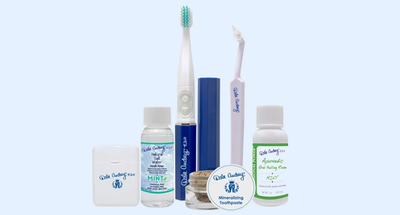
Dale Audrey R.D.H. approaches natural oral care with that balance in mind: gentle daily formulas should be grounded in dental hygiene knowledge, clear ingredients, and realistic home routines. Fresh breath matters, but healthy gums, a clean tongue, and consistent plaque removal are the foundation beneath it.
When Bad Breath Needs More Than a Rinse
Most occasional bad breath improves with hydration, better tongue cleaning, daily interdental cleaning, and a consistent rinse. Persistent halitosis is different. If the odor continues for several weeks despite good home care, schedule a dental examination. A clinician can check for periodontal disease, decay, failing dental work, oral infection, and other issues that a mouthwash cannot resolve.
Pay attention to warning signs such as bleeding gums, gum recession, loose teeth, pain when chewing, a bad taste that does not go away, mouth sores that do not heal, or severe dry mouth. If you have sudden changes in taste or smell, trouble swallowing, fever, or facial swelling, seek prompt medical or dental care.
Bad breath can occasionally be connected to sinus concerns, reflux, diabetes, or medication side effects. That does not mean you should assume the worst. It means that a persistent change is worth investigating rather than repeatedly masking with stronger flavor.
Make Fresh Breath a Daily Signal of Care
Choose a rinse that feels clean, comfortable, and aligned with your ingredient standards. Keep water nearby, clean your tongue as faithfully as you clean your teeth, and give your gums the attention they deserve. When your mouth feels consistently fresh because it is consistently cared for, that is a far better goal than simply chasing the strongest mint.


Leave a comment