

Pink Himalayan Salt Water Mouth Rinse Benefits
A pink Himalayan salt water mouth rinse can be a simple everday mouthrinse and can be a comforting step when your gums feel tender, your mouth feels dry, or brushing has left your tissues irritated. Salt-water rinsing has long been used to gently cleanse the mouth and soothe minor irritation. The value is not in a harsh burning sensation or a complicated routine. It is in consistent, gentle support for a cleaner, more comfortable oral environment.
For adults and families who avoid alcohol, artificial colors, artificial flavors, and unnecessary additives, a properly formulated salt-water rinse offers a refreshingly straightforward option. It can complement brushing, flossing, tongue cleaning, professional dental care, and a prevention-focused oral wellness routine.
What a Pink Himalayan Salt Water Mouth Rinse Does
When salt is dissolved in water, it creates a rinse that can help flush food particles, debris, and can help loosen plaque from areas a toothbrush may miss. Rinsing also increases moisture and movement in the mouth, which can be especially welcome after meals, during dry-mouth episodes, or when gums are feeling sensitive.
Salt water is often described as soothing because it is less likely to sting than many conventional mouthwashes containing alcohol or strong flavoring agents. That matters when you have tender gums, minor mouth irritation, or sensitivity after dental work. A gentle rinse should leave your mouth feeling clean and refreshed, not stripped or uncomfortable.
Pink Himalayan salt contains 84 trace minerals that give the crystals their natural blush color. Those minerals may be appealing to people seeking less processed personal-care choices, but they should not be mistaken for a cure for gum disease, cavities, chronic bad breath, or tooth pain. The practical benefit comes primarily from using a properly diluted salt-water rinse as part of an effective daily routine.
When Salt-Water Rinsing Can Be Helpful
Do your gums bleed when you brush or floss? Bleeding is a signal worth paying attention to, not a reason to stop cleaning between your teeth. Plaque buildup at the gumline is a common cause of gum inflammation, and gentle rinsing can be a supportive addition while you improve daily plaque removal.
A salt-water rinse may also feel helpful after a dental cleaning, a minor oral procedure, or irritation from a sharp food, as long as your dental professional has not given different instructions. It can help keep the area comfortably clean without introducing alcohol-based mouthwash or intense essential-oil flavors.
For dry mouth and persistent bad breath, salt water can provide temporary freshness by moistening the mouth and washing away debris. However, it does not replace finding the cause. Dry mouth may be connected to medications, mouth breathing, dehydration, health conditions, or reduced saliva flow. Halitosis can stem from plaque, gum inflammation, tongue coating, cavities, tonsil stones, or digestive and medical concerns. If the problem persists, a dental evaluation is the right next step.
How to Use a Pink Himalayan Salt Water Mouth Rinse
The best routine is easy enough to repeat. Use the rinse after brushing and flossing, after meals when you want a clean-mouth reset, or as directed by your dental professional following treatment. Swish gently rather than aggressively, especially around sensitive gums or a healing area.
If you are making a basic salt-water rinse at home, dilution matters. Too much salt can taste unpleasant, irritate oral tissues, and make the rinse difficult to use consistently. Use warm water rather than hot water, dissolve the salt completely, swish for about 30 seconds, and spit it out. Do not swallow the rinse.
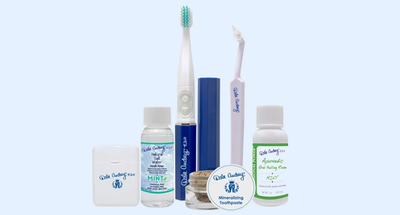
A ready-to-use, professionally formulated Himalayan salt-water rinse removes the guesswork around concentration, freshness, and convenience. Dale Audrey R.D.H. approaches oral wellness with the same principle used in clinical hygiene care: the product should be gentle enough for regular use, clear about its ingredients, and paired with the daily habits that actually control plaque.
Timing matters less than consistency
There is no single perfect time for everyone. Some people prefer a salt-water rinse in the morning to refresh a dry mouth. Others use it after lunch, after coffee, or at night for their night routine, or when their gums feel tender. What matters is that rinsing supports, rather than replaces, brushing twice daily with a fluoride toothpaste or another dentist-recommended cavity-prevention approach and cleaning between the teeth every day.
If you use a medicated mouth rinse prescribed by your dentist, follow those directions instead of layering multiple rinses without guidance. Certain treatments have specific timing requirements, and more products do not always mean better results.
What It Will Not Do
Natural oral care works best when expectations are honest. A pink Himalayan salt water mouth rinse cannot remove hardened tartar. It cannot reverse an established cavity, cure periodontal disease, whiten teeth, or repair enamel. It also will not eliminate the need for routine exams and professional cleanings.
If you have frequent bleeding, swollen gums, pus, a loose tooth, facial swelling, severe pain, a mouth sore that lasts longer than two weeks, or bad breath that does not improve with thorough home care, schedule a dental visit promptly. Those symptoms deserve professional attention, even if a salt-water rinse brings short-term comfort.
This distinction protects your smile. Gentle home care can reduce daily irritation and help you feel more in control of your oral wellness. Diagnosis and treatment are still necessary when infection, decay, gum disease, or another underlying condition is present.
Choosing a Clean, Comfortable Rinse
Ingredient-conscious shoppers often choose salt-water rinses because they want fewer unnecessary ingredients. Look for a formula that is transparent about what is inside and avoids ingredients you personally do not want in your routine, such as alcohol, synthetic dyes, or artificial flavors.
Comfort is equally important. If a rinse burns, leaves your mouth feeling tight, or aggravates dry mouth, it may not be the right daily choice for you. A clean formulation should support a fresh feeling without asking your oral tissues to tolerate unnecessary harshness.
Pay attention to packaging and usage directions as well. A rinse designed for oral use offers more consistency than scooping salt from a kitchen container, where concentration can vary from day to day. This is especially useful for busy households, older adults with dry-mouth concerns, and anyone building a reliable gum-care routine.
Salt Water and Sensitive Gums
Sensitive gums need both gentleness and better plaque control. It is tempting to brush less thoroughly when gums bleed or feel sore, but plaque left at the gumline can allow inflammation to continue. Instead, choose a soft toothbrush, use light pressure, angle the bristles toward the gumline, and clean between the teeth carefully each day.
A salt-water rinse can be the calming follow-up to that routine. It may help you feel cleaner and more comfortable while your gums respond to improved daily care. But if bleeding continues beyond a week or two of consistent brushing and flossing, do not wait it out. A hygienist or dentist can check for tartar buildup, gum disease, ill-fitting dental work, and other contributors.
For people with recession or exposed root surfaces, sensitivity may also be related to aggressive brushing, acidic drinks, clenching, or enamel wear. In that situation, a soothing rinse is helpful for comfort, but a personalized plan may also include a sensitivity toothpaste, brushing adjustments, fluoride support, or a night guard recommendation.
A Better Way to Think About Oral Wellness
Your mouth does not need to be punished into feeling clean. A healthy routine is built on consistent plaque removal, thoughtful ingredients, adequate hydration, and early attention to changes in your gums, breath, and teeth. Salt water earns its place because it is simple, gentle, and easy to use when your mouth needs a little extra care.
Let your rinse be one reassuring step in a routine that respects your body and protects your smile. When comfort, clean ingredients, and professional guidance work together, preventive oral care becomes something you can feel good about every day.


Leave a comment