

Gum Inflammation Causes You Should Not Ignore
A pink streak in the sink after brushing is easy to dismiss. So is tenderness when you floss, a puffy gumline, or breath that returns soon after you clean your teeth. Yet these can be early signs that something is irritating your gums. Understanding gum inflammation causes helps you act early, before a manageable daily-care concern becomes a more complicated dental problem.
Inflammation is your body's response to irritation or infection. In the mouth, it often begins where teeth and gums meet, an area that collects bacteria, food particles, and plaque every day. The good news is that early gum inflammation is often reversible when the cause is addressed consistently. The key is choosing gentle, effective care and knowing when home care is no longer enough.
The Leading Cause of Gum Inflammation: Plaque
Plaque is a sticky, colorless bacterial film that forms constantly on teeth. If it is not removed thoroughly with brushing and cleaning between the teeth, it gathers along and below the gumline. Your immune system reacts to the bacteria, which can leave gums red, swollen, tender, or prone to bleeding.
This early stage is commonly called gingivitis. It does not always hurt, which is why many people miss it. Bleeding is not simply a sign that you should stop flossing. More often, it is a sign that plaque has been sitting at the gumline long enough to trigger inflammation.
When plaque hardens into tartar, or calculus, brushing alone cannot remove it. Tartar creates a rough surface that allows even more plaque to cling to the teeth. A professional dental cleaning is needed to remove it safely. Natural products and a dedicated home routine can support gum comfort and plaque control, but they do not replace removal of established tartar.
Other Common Gum Inflammation Causes
Plaque is the most frequent culprit, but it is not the only one. Some causes are local, meaning they begin in the mouth. Others are connected to changes in the body, medications, or daily habits.
Incomplete brushing and between-teeth cleaning
Brushing quickly, using a worn brush head, skipping the back teeth, or avoiding tender areas can leave plaque behind. So can brushing with too much pressure. Aggressive scrubbing may irritate gum tissue and contribute to recession over time, even though it feels like a more thorough clean.
The spaces between teeth deserve special attention. A toothbrush cannot fully clean these contact areas. Floss, soft interdental brushes, or another dentist-recommended between-teeth cleaner can make a meaningful difference when used gently and consistently.
Dry mouth
Saliva naturally rinses away food debris, helps balance acids, and supports the mouth's protective environment. When saliva is reduced, plaque can build up faster and gums may feel sticky, sore, or more reactive.
Dry mouth can be linked to dehydration, mouth breathing, aging, certain medications, smoking, alcohol-containing rinses, and some health conditions. If your mouth often feels dry at night or you wake with a coated tongue, do not overlook it. Frequent water intake and alcohol-free oral-care choices may be more comfortable, but persistent dry mouth deserves a conversation with your dental or medical provider.
Hormonal shifts
Pregnancy, puberty, menstrual-cycle changes, and menopause can make gum tissue more sensitive to plaque. Hormones do not create plaque, but they can amplify the body's inflammatory response to it. That means a routine that once seemed adequate may need more consistent attention during these times.
Pregnancy-related gum changes should always be shared with a dental professional. Preventive care during pregnancy is part of whole-body care, not an optional extra.
Tobacco and vaping
Smoking and other tobacco use increase the risk of gum disease and can interfere with healing. Nicotine may reduce visible bleeding by constricting blood vessels, so gums can appear less inflamed than they truly are. This can hide an underlying problem rather than solve it.
Vaping can also contribute to dry mouth and tissue irritation. If gums feel sore, recede, or bleed, reducing exposure and seeking professional guidance is a practical step toward protecting oral health.
Illness, stress, and blood-sugar changes
The mouth is connected to the rest of the body. Diabetes, especially when blood sugar is not well controlled, can raise the risk of gum inflammation and slow healing. High stress, poor sleep, and a diet high in frequent sugary snacks may also make plaque control harder.
This does not mean every flare-up has one dramatic cause. Often, several smaller factors stack up: a dry mouth from medication, rushed brushing, more snacking, and a few missed flossing sessions. Looking at the full routine is more useful than blaming yourself for one imperfect day.
A poorly fitting appliance or a dental issue
Rough restoration edges, ill-fitting dentures, retainers, aligners, or food trapped around a crown can irritate gums. A localized swollen spot near one tooth may also be related to a cavity, crack, abscess, or something lodged under the gumline. When swelling is limited to one area, does not improve, or comes with pain, get it checked rather than trying to treat it indefinitely at home.
What Healthy Gum Care Looks Like at Home
A strong home routine does not need harsh ingredients or complicated steps. It needs consistency, good technique, and products you will actually use every day.
Brush twice daily for a full two minutes with a soft-bristled or sonic toothbrush. Angle the bristles gently toward the gumline and guide them slowly along each tooth. Let the brush do the work. Pressing harder does not remove more plaque, and it can make already-sensitive gums feel worse.
Clean between teeth once each day. If traditional floss is difficult because your teeth are close together, ask your dental professional about alternatives. The best tool is the one that safely fits your mouth and becomes a reliable habit.
Choose an alcohol-free rinse if alcohol leaves your mouth dry or burning. A gentle salt-water rinse can feel soothing for temporary irritation, but it is not a cure for gum disease and should not replace brushing, between-teeth cleaning, or professional care. Avoid repeatedly applying undiluted essential oils, peroxide, or abrasive powders directly to sore gums. Natural should still mean thoughtfully formulated and used as directed.
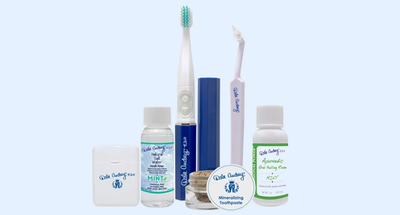
Dale Audrey R.D.H. was created from dental hygiene experience for people who want professionally informed, natural oral-care routines without unnecessary harsh additives. For sensitive gums, prioritize gentle formulas and a repeatable routine over products that promise an overnight fix.
When Bleeding Gums Need a Dental Visit
Healthy gums generally should not bleed with gentle brushing or careful flossing. If you are restarting flossing after a long break, light bleeding may occur initially as inflamed tissue begins to be cleaned. It should improve with consistent, gentle care, not continue indefinitely.
Arrange a dental evaluation if you notice any of the following:
- Bleeding that persists after one to two weeks of consistent home care
- Swelling, pain, pus, a bad taste, or a bump near the gumline
- Receding gums, loose teeth, or changes in how your bite feels
- Ongoing bad breath that does not improve after cleaning your mouth
- Fever, facial swelling, or trouble swallowing, which need urgent care
A dental professional can measure gum pockets, identify tartar below the gumline, check for bone loss, and recommend the right level of treatment. If gum disease has progressed beyond gingivitis, a deeper professional cleaning may be necessary. That is not a failure of home care. It is the appropriate next step to protect the tissues and bone that support your teeth.
Small Changes Can Protect Your Gumline
Gum health is built in ordinary moments: slowing down at the sink, replacing a frayed brush head, drinking water when your mouth feels dry, and keeping preventive appointments before discomfort becomes urgent. If your gums are sending signals, listen early and respond with gentle consistency. Your future smile benefits from the care you give your gumline today.


Leave a comment