

Tooth Powder for Plaque Buildup: Does It Help?
Plaque is not just something that makes teeth feel fuzzy by late afternoon. It is a sticky bacterial film that collects along the gumline, between teeth, and in the small grooves of molars. Left in place, it can contribute to bad breath, gum inflammation, bleeding, cavities, and eventually hardened tartar. A thoughtfully formulated tooth powder for plaque buildup can be a valuable part of a clean, gentle home routine, but it works best when you understand what it can realistically do.
The goal is not to scrub your teeth harder. It is to disrupt plaque consistently without irritating your gums, wearing down enamel, or relying on harsh ingredients that leave your mouth dry and uncomfortable.
What Tooth Powder Can Do for Plaque Buildup
Tooth powder is a dry oral-care formula used with a wet toothbrush. Depending on the ingredients, it can help lift soft plaque, freshen breath, polish away surface residue, and leave teeth feeling clean. Mineral-rich powders, plant-based ingredients, and gentle cleansing agents can make brushing feel more effective without the artificial colors, foaming agents, or strong flavoring found in many conventional products.
Plaque is soft when it first forms. That is the window when brushing and cleaning between the teeth matter most. A tooth powder does not need to be aggressive to be useful. In fact, an overly abrasive powder may make teeth feel temporarily slick while creating a different problem over time: unnecessary wear on enamel or sensitivity around exposed root surfaces.
A good formula should support mechanical plaque removal from your toothbrush. Think of the powder as a partner to brushing technique, not a replacement for it. The brush bristles do the essential work of reaching the gumline and tooth surfaces. The powder helps create a clean, fresh brushing experience that encourages daily consistency.
Tooth Powder for Plaque Buildup vs. Tartar
Plaque and tartar are often used as if they mean the same thing, but they are not interchangeable. Plaque is soft and removable at home. Tartar, also called calculus, is plaque that has mineralized and hardened onto the teeth. Once tartar is present, no tooth powder, toothpaste, rinse, or home tool can safely scrape it away.
If you see a hard yellow, tan, or brown deposit near the lower front teeth or behind the upper molars, schedule a professional dental cleaning. Trying to pick it off yourself can injure gum tissue, scratch teeth, or push bacteria below the gumline.
This distinction matters because a natural routine is strongest when it is preventive. Use tooth powder to help manage fresh plaque every day, then keep up with professional cleanings to remove hardened buildup before it becomes a larger gum-health concern.
Signs Your Plaque Routine Needs More Attention
A little plaque can form quickly, even in people who brush twice daily. You may need to adjust your routine if your teeth feel coated after brushing, your breath returns quickly, or your gums bleed when you brush or floss. Redness, puffiness, tenderness, and a persistent bad taste can also point to plaque collecting near the gumline.
Bleeding gums are not a reason to stop cleaning. They are often a sign that plaque-related inflammation needs gentle, consistent attention. However, bleeding that continues beyond a week or two, worsens, or occurs without brushing should be evaluated by a dental professional.
How to Use Tooth Powder Gently and Effectively
The best results come from methodical brushing, not from using a large amount of powder. Start with a soft-bristled manual toothbrush or a sonic toothbrush with a gentle setting. Wet the bristles, tap off excess water, then lightly dip just the tips into the tooth powder. A small amount is enough.
Angle the bristles slightly toward the gumline and use small, controlled motions. Clean the outside, inside, and chewing surfaces of every tooth for a full two minutes. Spend extra time where plaque tends to hide: behind lower front teeth, along the back molars, and at the gumline. Avoid forceful horizontal scrubbing, especially if you have sensitivity or gum recession.
After brushing, spit out the residue and rinse if that feels comfortable. Some people prefer not to rinse heavily so the mouth stays fresh longer, while others want a thorough rinse. Either approach can fit a healthy routine. What matters more is choosing a product you enjoy using and brushing carefully every day.
If you use a fluoride toothpaste because you are cavity-prone, have a history of frequent decay, wear braces, or have dry mouth, do not assume you must replace it with tooth powder. You can alternate products or use fluoride toothpaste at a separate brushing time, based on your dentist's recommendations. Natural oral care and cavity prevention should work together, not compete.
The Ingredients and Texture Matter
Not all tooth powders are equally gentle. A powder that feels very gritty may be too abrasive for daily use, particularly for people with enamel wear, sensitive teeth, gum recession, veneers, bonding, or crowns. Coarse salt crystals and harsh abrasives can have a place in limited, directed use, but they should not become a substitute for a balanced daily cleanser.
Look for clear ingredient disclosure and a formula designed for oral use. Botanical ingredients can support a pleasant, wellness-forward routine, while minerals may provide a clean feel. Still, “natural” alone is not a guarantee of enamel safety. Essential oils can be irritating for some mouths, and even familiar ingredients may not be right for children, people with allergies, or anyone recovering from oral surgery.
If a tooth powder causes burning, increased sensitivity, peeling tissue, or ongoing dryness, stop using it. Your mouth is giving you useful information. Gentle oral care should leave your teeth and gums comfortable, not challenged.
Build a Plaque-Control Routine That Actually Works
A tooth powder earns its place in a routine when it supports the habits that plaque cannot outlast: twice-daily brushing, daily cleaning between teeth, hydration, and regular professional care. Brushing alone cannot thoroughly clean the contact points where teeth touch. Floss, interdental brushes, or a water flosser can help, depending on your spacing, dental work, and personal preference.
For many adults, this is where plaque buildup becomes frustrating. They brush faithfully but skip the spaces between teeth, where bacteria remain undisturbed. If flossing makes your gums bleed at first, be patient and gentle rather than quitting. With consistent removal of plaque, healthy gum tissue often becomes less inflamed and bleeds less.
Dry mouth also changes the picture. Saliva naturally helps wash away food particles and buffer acids. When your mouth is dry from medications, mouth breathing, aging, dehydration, or alcohol-containing rinses, plaque may cling more easily and breath may suffer. Choose alcohol-free options when dryness is a concern, drink water throughout the day, and discuss persistent dry mouth with your dental provider.
Food choices matter, too. Frequent sipping on sweetened drinks, snacking on sticky foods, or grazing throughout the day keeps oral bacteria supplied with fuel. You do not need a perfect diet to improve your mouth. Reducing the frequency of sugar exposure and rinsing with water after meals can make a meaningful difference.
When to Get Professional Help
Home care is powerful, but it has limits. Schedule a dental evaluation if you have persistent bleeding, swollen gums, gum pain, loose teeth, worsening bad breath, visible tartar, pus around the gums, or a change in how your teeth fit together. These symptoms may require more than a new brushing product.
If you have been told you need a deep cleaning, do not delay care while trying to solve established periodontal problems at home. A gentle, natural routine can support your comfort and maintenance afterward, but it cannot replace treatment for disease below the gumline.
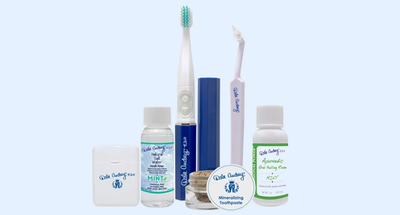
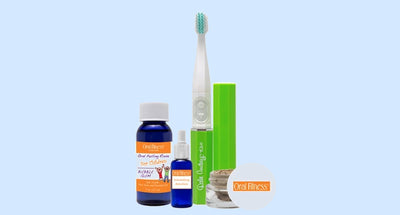
Dale Audrey R.D.H. was built around the idea that prevention should feel personal, practical, and affordable. If you are unsure whether tooth powder fits your needs, especially with bleeding gums, sensitivity, or recurring buildup, seek guidance from a dental professional who can help you choose a routine that protects both your enamel and your gum health.
The most helpful tooth powder is the one you use with a soft brush, a careful technique, and a commitment to cleaning where plaque hides. Give your gums steady, gentle attention now, and they have a far better chance to stay comfortable for years to come.
SHOP NOW: DALEAUDREY.COM TOOTH POWDER
https://www.daleaudrey.com/products/ayurvedic-mineralizing-toothpowder-w-neem?_pos=1&_sid=ad1b8c8e1&_ss=r


Leave a comment