

Best Toothpaste for Gum Sensitivity That Works
If your gums sting when you brush, bleed when you floss, or feel tender after a minty toothpaste, the best toothpaste for gum sensitivity is not simply the strongest product on the shelf. It is a formula that cleans plaque effectively without turning your daily routine into another source of irritation. Your gums need consistent, gentle care - not harsh foaming agents, aggressive brushing, or a product that merely covers the problem with flavor.
Gum sensitivity can be your mouth’s early warning system. It may be connected to plaque buildup along the gumline, inflammation, dry mouth, a new brushing routine, hormonal changes, or brushing with too much pressure. The right toothpaste can support a healthier environment every time you brush, but it works best as part of a complete gum-care routine.
What Causes Sensitive, Tender Gums?
Healthy gums should not routinely bleed, burn, or feel sore. A little tenderness after flossing for the first time in months can happen, but ongoing discomfort deserves attention. Plaque is often the starting point. This sticky bacterial film collects at the gumline and, when left in place, can irritate gum tissue and contribute to inflammation.
Brushing harder is not the answer. In fact, pressing a manual brush firmly into already-sensitive gums can make soreness worse and may contribute to gum recession over time. A worn toothbrush, abrasive toothpaste, alcohol-heavy rinses, and strong artificial flavors can also be uncomfortable for people with delicate oral tissues.
Dry mouth matters, too. Saliva naturally helps rinse away food debris and buffer acids. When saliva flow is low due to medications, dehydration, mouth breathing, or age, plaque can build up more easily and gums may feel more reactive. If sensitivity is persistent, localized to one area, or accompanied by swelling, pus, loose teeth, severe pain, or recession, schedule a dental exam promptly. Toothpaste is daily support, not a substitute for diagnosis or professional treatment.
How to Choose the Best Toothpaste for Gum Sensitivity
A gum-focused toothpaste should leave your mouth feeling clean and comfortable, not stripped or burning. Read the ingredient panel with the same care you use for skincare or food. For many wellness-minded households, a gentle formula without sodium lauryl sulfate (SLS), artificial colors, unnecessary harsh additives, or overpowering artificial flavoring is a smart place to start.
Look for gentle, purposeful ingredients
Botanical and Ayurvedic ingredients can be a welcome option when they are professionally formulated for oral use. Ingredients such as neem, clove, peppermint, cinnamon, and mineral-rich salts are often used in traditional oral-care practices. Their value depends on the full formula, concentration, and how your individual mouth responds. Natural does not automatically mean gentle for every person, so pay attention to how your gums feel after a week or two of consistent use.
A toothpaste should also help physically remove plaque during brushing. That means it needs a pleasant texture and taste that encourages you to brush thoroughly for two minutes, twice each day. The product you use consistently is more valuable than the one that sits unused because it feels too intense.
Avoid the “tingle equals clean” trap
A powerful burning sensation does not prove a toothpaste is working better. For sensitive gums, that sensation may signal irritation from strong flavor oils, foaming agents, or other ingredients that do not agree with your oral tissues. Some people enjoy a bold mint finish; others need a milder experience. There is no prize for tolerating discomfort.
Be cautious with highly abrasive whitening toothpastes as well. Surface stain removal can be helpful, but a rough formula or forceful brushing technique may aggravate exposed root surfaces and tender gumlines. If brightening is a goal, choose enamel-conscious whitening methods and separate that goal from daily gum comfort whenever possible.
Make fluoride a personal care decision
Fluoride is widely used to support enamel remineralization and cavity prevention. Whether you choose a fluoride toothpaste, a fluoride-free formula, or alternate products should reflect your cavity history, dental professional’s recommendation, water supply, and personal preferences. Gum sensitivity and cavity risk are related but not identical concerns. A natural toothpaste can fit a preventive routine, but it should still meet the needs of your mouth.
Your Brushing Method Matters as Much as Your Toothpaste
Even the best formula cannot overcome a damaging brushing habit. Use a soft-bristled brush and guide it with light pressure at the gumline. The goal is to disrupt plaque, not scrub your gums like tile grout. Small circular motions or the gentle angle recommended by your dental professional can clean effectively without unnecessary trauma.
A sonic toothbrush can make this easier because its rapid bristle movement helps clean around the gumline while reducing the temptation to scrub. Let the brush do the work. Hold it lightly, move slowly from tooth to tooth, and avoid pressing until the bristles splay. Replace brush heads when they become frayed, usually about every three months or sooner after illness.
Flossing or using another interdental cleaner is equally essential. Toothpaste reaches the front, back, and chewing surfaces of teeth, but it cannot fully clean between them. Gums that bleed when you begin flossing may be inflamed from plaque. Gentle daily cleaning often improves that bleeding over time. If it continues beyond roughly two weeks of consistent care, contact your dental office rather than stopping flossing altogether.
Build a Calmer Gum-Care Routine
A simple routine is easier to maintain and often more effective than constantly switching products. Brush for two minutes in the morning and before bed with a gentle toothpaste. Clean between teeth once daily. Follow with an alcohol-free rinse if it feels comfortable and supports your goals, particularly if dry mouth or bad breath is part of the picture.
For gums that need more attention, a targeted serum, gum powder, or salt-water rinse may complement brushing. These products should support plaque control and comfort, not replace brushing and interdental cleaning. Introduce one new product at a time so you can tell what is helping and what may be causing irritation.
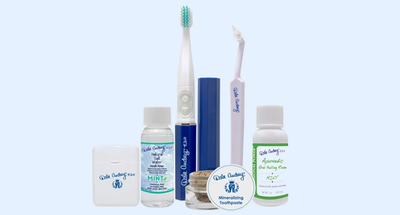
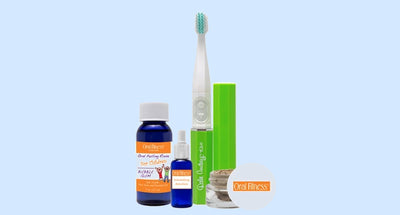
At Dale Audrey R.D.H., gum care is approached as a daily prevention practice informed by more than four decades of dental hygiene experience. Professionally formulated natural oral-care products can be an excellent choice for people who want clean ingredients without sacrificing a thorough, consistent routine.
When Sensitive Gums Need Professional Care
Do not wait for pain to become severe. Bleeding, persistent bad breath, gum recession, swelling, and tenderness can all indicate that plaque and tartar are accumulating below or near the gumline. Once plaque hardens into tartar, brushing cannot remove it. A professional cleaning is needed.
A dental hygienist or dentist can also check for brushing damage, ill-fitting restorations, cavities near the gumline, periodontal concerns, and dry-mouth complications. This is especially important if you smoke, have diabetes, are pregnant, take medications that reduce saliva, or have a history of gum disease.
The best toothpaste for gum sensitivity should make your everyday care feel comfortable enough to keep doing it. Choose a gentle formula, brush with a light hand, clean between your teeth, and listen when your gums ask for more help. Calm, healthy gums are built through small daily choices - and those choices can protect your smile well beyond the mirror.
Try our Ayurvedic Mineralizing Toothpaste with and without Nano-Hydroxyapatite
visit: www.daleaudrey.com
https://www.daleaudrey.com/collections/ayurvedic-toothpaste-toothpowder/products/ayurvedic-mineralizing-toothpaste-w-neem


Leave a comment