

A Gentle Daily Oral Care Routine for Seniors
A good oral care routine for seniors is not about brushing harder or adding a cabinet full of products. It is about protecting what matters: comfortable gums, a healthy mouth, clean teeth or dentures, fresh breath, and the confidence to eat, speak, and smile without irritation. As we age, dry mouth, medication changes, arthritis, gum recession, and dental work can make familiar habits less effective. A gentler, more intentional routine can make a meaningful difference.
Why Senior Oral Care Needs a Different Approach
The mouth changes over time, but bleeding gums, persistent bad breath, soreness, and loose dentures should never be dismissed as a normal part of aging. These concerns often point to plaque buildup, gum inflammation, dryness, an ill-fitting appliance, or a routine that needs adjustment.
Many older adults also take medications that reduce saliva flow. Saliva does more than keep the mouth comfortable. It helps rinse away food particles, balance acids, and support the mouth's natural defenses against cavities. When saliva is reduced, teeth can become more vulnerable to decay, particularly along the gumline and around crowns, bridges, or exposed roots.
A natural routine can be especially helpful when the mouth feels sensitive or dry. The goal is not to replace professional dental care with home care. It is to give daily care the consistency and gentleness needed to support clean teeth and calmer gums between appointments.
A Morning Oral Care Routine for Seniors
Start the day with a soft-bristled toothbrush and fluoride toothpaste, unless a dental professional has recommended another approach for your needs. Fluoride remains a valuable tool for many adults because it strengthens enamel and can help protect vulnerable areas from decay. If your hands ache, tremble, or lack grip strength, a sonic toothbrush or a toothbrush with a wider handle can make thorough brushing easier without requiring extra pressure.
Brush for a full two minutes, using small, controlled movements at the gumline, the chewing surfaces, and the inside of the teeth. A sonic brush does much of the movement for you, but it still needs to be guided slowly from tooth to tooth. Scrubbing aggressively can irritate receding gums and wear tooth surfaces over time.
After brushing, clean the tongue gently. A coated tongue can contribute to halitosis, especially when dry mouth is present. A tongue cleaner or the back of a soft toothbrush is enough. Avoid scraping until the tongue feels sore.
If your gums tend to feel tender, a gentle alcohol-free rinse can be a more comfortable choice than a strong conventional mouthwash. Alcohol can leave some mouths feeling drier, and a sharp burning sensation is not proof that a product is working. Look for clean formulations without unnecessary artificial colors, harsh detergents, or overpowering flavoring.
Daily Gum Care Is Not Optional
Do your gums bleed when you brush or floss? Healthy gums generally do not bleed easily. Bleeding can be a sign of inflammation from plaque around and beneath the gumline, although medications and some health conditions can also play a role. Do not stop cleaning because you see blood. Instead, clean gently and consistently, then arrange a dental evaluation if bleeding continues.
Interdental cleaning is where many routines fall short. A toothbrush cannot fully clean the tight spaces between teeth, around implants, or beneath bridgework. Floss may be the right choice for some people, while soft interdental brushes, floss holders, water flossers, or specialty threaders may be easier for others.
The best tool is the one you can use correctly every day. For example, someone with arthritis may find a water flosser easier than traditional string floss, while a person with very tight contacts may still need floss. If gums are inflamed, start gently. A little initial bleeding may improve as plaque is removed, but pain, swelling, pus, or a sudden change in the way teeth fit together calls for prompt professional attention.
Dry Mouth Requires More Than Drinking Water
Sipping water throughout the day helps, but it may not fully address dry mouth. Avoid frequent sugary candies, sweetened lozenges, and sugary drinks, which can keep teeth exposed to cavity-causing acids. Sugar-free gum or lozenges may stimulate saliva for some people, but they are not appropriate for everyone, especially those with jaw pain, dentures, or swallowing concerns.
Pay attention to the habits that quietly worsen dryness. Tobacco, alcohol-based rinses, excessive caffeine, mouth breathing, and dehydration can all leave the mouth less comfortable. A humidifier at night may help people who wake with a dry mouth, particularly if they sleep with their mouth open.
Dry mouth can also be medication-related. Never stop or change a prescribed medication on your own. Instead, tell your dentist, hygienist, physician, or pharmacist about the dryness. They can review possible causes and suggest ways to protect your mouth. Regular dental visits become even more valuable when saliva is limited because cavities can develop quickly near the gumline.
Denture and Appliance Care Deserve Their Own Routine
Dentures need daily cleaning just like natural teeth. Remove them when recommended, rinse away loose debris, and clean them with a soft denture brush and a cleanser designed for dentures. Regular toothpaste can be too abrasive for some appliances and may create tiny scratches where plaque and odor-causing bacteria can collect.
Clean your gums, tongue, and the roof of your mouth before placing dentures back in. If you use denture adhesive, remove it completely each day. Never try to adjust a denture yourself with household glue or sharp tools. A denture that rubs, clicks, slips, or causes sore spots needs professional adjustment.
Partial dentures, retainers, night guards, bridges, and implants also require specific care. A bridge may need a floss threader or interdental brush beneath it. Implants need careful plaque removal around the gumline. Ask your dental team to show you the exact technique for your appliance instead of guessing.
An Evening Routine That Protects Teeth Overnight
Nighttime is when oral care matters most because saliva flow naturally drops during sleep. Brush thoroughly before bed, clean between teeth, and avoid grazing on snacks afterward. If you need a bedtime medication or snack, rinse with water afterward and ask your dental professional whether a fluoride rinse or other protective option is appropriate for you.
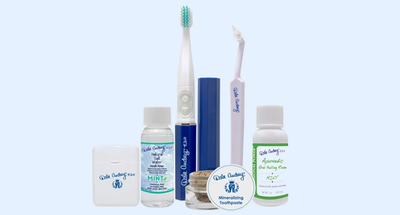
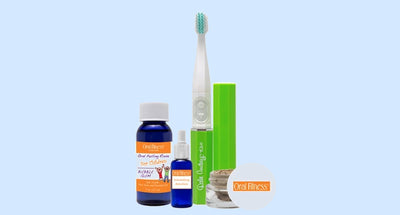
For people managing gum sensitivity, plaque buildup, dry mouth, or unpleasant breath, consistency matters more than occasional intensive cleaning. Dale Audrey R.D.H. formulates gentle, professionally informed oral-care options designed to support daily wellness without relying on harsh additives. A simple routine used faithfully will usually serve your mouth better than a complicated routine used only when a problem flares up.
Whitening is another area where a measured approach helps. Age-related staining from coffee, tea, red wine, tobacco, or medications can affect confidence, but whitening should never come before gum comfort and cavity control. If teeth are sensitive, gums are bleeding, or there are untreated dental concerns, address those first. A gentle whitening product used as directed may be appropriate for surface stains, but crowns, fillings, veneers, and dentures will not whiten the same way natural enamel does.
Know When Home Care Is Not Enough
A strong home routine is preventive care, not a substitute for diagnosis or treatment. Schedule regular dental exams and cleanings according to the interval recommended for your mouth. Some seniors need more frequent visits because of gum disease history, diabetes, dry mouth, implants, dexterity changes, or extensive restorative work.
Contact a dental professional promptly for ongoing bleeding, mouth sores that do not heal within two weeks, severe tooth pain, facial swelling, a broken tooth, a loose tooth, sudden denture problems, or difficulty swallowing. These are not concerns to wait out with a new rinse or a different brush.
Your oral care routine should feel realistic enough to repeat on a busy, tired, or low-energy day. Keep the tools within easy reach, choose products your mouth tolerates well, and use adaptive handles or electric tools when they reduce strain. Small acts of care, repeated morning and night, can preserve comfort and confidence for years to come.
https://www.daleaudrey.com/collections/gum-health-care/products/dale-audrey-rdh-healthy-gum-package


Leave a comment