

Choosing a Gentle Sonic Toothbrush for Kids
Brushing should not feel like a daily battle. A gentle sonic toothbrush for kids can make the difference between a rushed, ineffective scrub and two minutes of consistent plaque removal - especially for children who dislike rough bristles, have sensitive gums, wear orthodontic appliances, or are still building hand coordination.
The goal is not to make brushing louder, faster, or more complicated. It is to help children clean their teeth thoroughly without overwhelming their mouths or damaging their developing gum tissue. The right brush, paired with a simple routine and a small amount of age-appropriate toothpaste, can help create habits that protect their smile long after the novelty of a new toothbrush fades.
What Makes a Sonic Toothbrush Gentle Enough for Children?
A sonic toothbrush uses rapid bristle movement to help loosen plaque along the teeth and gumline. Unlike aggressive manual scrubbing, the cleaning action does much of the work when the child guides the brush gently from tooth to tooth. That matters because many children press too hard when they brush, particularly when they are trying to clean quickly or imitate an adult.
Gentle does not mean ineffective. It means the brush head, bristles, power setting, and overall design are appropriate for a smaller mouth and developing brushing skills. Soft bristles should flex against the tooth surface and gumline rather than feel sharp or scratchy. A compact brush head can better reach back molars without causing gagging or discomfort.
For a child with sensitive gums, a lower-intensity setting is often a wise place to start. The sensation of sonic pulse technology can take a few days to get used to. Let your child hold the brush while it is turned on before placing it in their mouth, then begin with short, calm sessions. Familiarity builds confidence.
Why Plaque Removal Matters Before Cavities Begin
Plaque is a sticky bacterial film that forms throughout the day, including on baby teeth. When it remains around the gumline and between teeth, it can contribute to tooth decay, gum inflammation, unpleasant breath, and tenderness during brushing. Baby teeth may be temporary, but they play a serious role in eating, speech development, spacing for permanent teeth, and a child's confidence.
Do your child's gums bleed when they brush? Occasional bleeding is not something to ignore or brush off as normal. It can be a sign that plaque is irritating the gum tissue, although overly forceful brushing can also be a factor. A gentle sonic brush may help improve daily plaque control, but ongoing bleeding, swelling, pain, visible decay, or persistent bad breath should be discussed with a dental professional.
A sonic toothbrush is not a substitute for dental visits, flossing when teeth touch, or a balanced diet. It is one helpful tool in a preventive routine. Its value comes from making effective brushing easier to repeat every morning and evening.
How to Choose a Gentle Sonic Toothbrush for Kids
Start with the fit, not the color or cartoon character. Children need a brush head designed for their age and mouth size. An oversized brush may miss back teeth, bump sensitive areas, or make brushing feel uncomfortable. A lightweight handle is also useful because it gives little hands better control.
Look for soft bristles and a mode that is intentionally designed for gentle cleaning. More power is not automatically better. A child who finds the vibration unpleasant may rush through brushing, avoid it entirely, or press harder in an attempt to control the sensation. A comfortable setting encourages the consistency that supports healthier teeth and gums.
A built-in two-minute timer can be especially helpful. Children often think they have brushed long enough after 20 or 30 seconds. Timers turn an abstract instruction into a clear finish line. Some brushes also signal when it is time to move to a new section of the mouth, which can teach a more organized brushing pattern without turning a parent into the nightly timekeeper.
Battery life and charging style are practical considerations, too. A brush that is easy to keep charged is more likely to be used. If your family travels often, choose a design that can keep up with your routine rather than becoming another item left on the bathroom counter.
A Calm Two-Minute Routine That Actually Works
Children do not need to scrub. They should place the bristles against the teeth at a slight angle toward the gumline and let the brush move slowly. Encourage them to spend time on the outside, chewing, and inside surfaces of every tooth. The back molars deserve special attention because their grooves can hold food particles and plaque.
For younger children, parents should take an active role. A child may enjoy holding the toothbrush, but that does not always mean they have the dexterity to clean thoroughly. Consider a team approach: let your child start, then finish the brushing yourself. As coordination improves, you can gradually give them more responsibility while still checking their technique.
Use only a small amount of fluoride toothpaste based on your child's age and ability to spit, following guidance from their dental professional. A rice-grain-sized smear is commonly used for very young children, while a pea-sized amount is generally appropriate for children who can spit reliably. The toothpaste should be gentle, free from unnecessary artificial colors and harsh additives when possible, and pleasant enough that your child will use it without swallowing more than needed.
A simple pattern can reduce missed spots: begin on the outer surfaces, move to the chewing surfaces, then finish on the inside surfaces. Brush the tongue gently if your child tolerates it. This helps freshen breath, but there is no need to scrape aggressively.
When a Manual Brush May Still Be the Better Choice
A gentle sonic toothbrush for kids is useful for many families, but it is not mandatory. A soft manual toothbrush can clean teeth very well when used with proper technique for two full minutes. If a child is frightened by vibration, has sensory sensitivities, or simply refuses the brush after several calm attempts, do not force the issue. Consistent manual brushing is better than an expensive device that stays in a drawer.
The same is true when a child is sick, has mouth sores, or is recovering from dental treatment. During these periods, a familiar ultra-soft manual brush may feel more comfortable. Ask the treating dental professional for personalized instructions after procedures, particularly if there are stitches, swelling, or a specific healing concern.
Children with braces, retainers, or significant plaque buildup may benefit from extra guidance on using a sonic brush around appliances. The brush can support cleaning, but it still needs to be moved carefully around brackets, along the gumline, and across the chewing surfaces. No brush can compensate for skipped areas.
Protecting the Brush and the Habit
Rinse the brush head after use and allow it to air-dry upright. Do not store it under a closed cap while it is wet, since trapped moisture is not ideal for a brush head. Replace the head about every three months, or sooner if the bristles look frayed, flattened, or discolored. Bent bristles do not clean as effectively and can be rougher on the gums.
Avoid sharing toothbrush heads between siblings. Even in close families, each child needs their own brush head and routine. If your child has been ill, follow your dental professional's recommendations and consider replacing the brush head when appropriate.
At Dale Audrey R.D.H., we believe prevention should feel practical, gentle, and possible at home. The best brush is the one your child can use comfortably and consistently, with a parent nearby to guide the routine until healthy habits become second nature.
A clean smile is built in small moments: the timer starting, a child learning not to press too hard, and a parent taking one extra minute to check the back teeth. Keep the routine calm, keep the bristles soft, and let consistency do the lasting work.
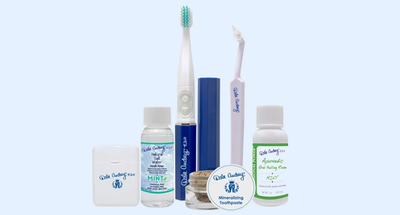
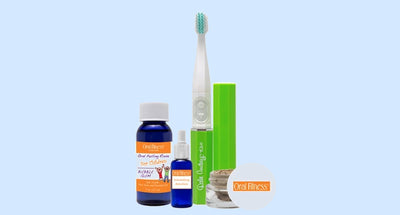
Shop Now: QuickSonic Toothbrush by Dale Audrey RDH
https://www.daleaudrey.com/products/dale-audrey-r-d-h-quick-sonic-toothbrush?_pos=2&_sid=fa34fa7c5&_ss=r
Lightweight/Waterproof/Two Speeds/Battery Operated


Leave a comment