

Dry Mouth: Causes, Relief, and When to Get Help
That sticky feeling when you wake up, need a sip of water to finish a sentence, or struggle to swallow a dry cracker is more than an inconvenience. Dry mouth can change how your mouth feels, how your breath smells, and how well your teeth and gums are protected throughout the day. It is a common concern, but it deserves real attention - especially if it is happening often.
Saliva is one of the mouth’s quietest protectors. It rinses away food particles, helps neutralize acids after meals, supports comfortable speaking and swallowing, and helps keep oral tissues moist. When saliva flow drops, plaque has an easier environment in which to build up, and teeth may be more vulnerable to decay, sensitivity, and enamel wear.
What Dry Mouth Really Means
Dry mouth, also called xerostomia, occurs when the salivary glands do not produce enough saliva for your needs. Sometimes the cause is temporary, such as sleeping with your mouth open during a cold. Other times, it is connected to a medication, health condition, dehydration, hormonal change, or ongoing mouth breathing.
The signs are not always limited to feeling thirsty. You may notice a dry or burning tongue, thick or stringy saliva, cracked lips, a rough throat, trouble wearing dentures, changes in taste, or persistent bad breath. Some people also find that food feels harder to chew or swallow, particularly dry foods like bread, crackers, or meat.
A dry mouth can also look surprisingly clean at first glance, yet still create oral-health risk. Without enough saliva to dilute sugars and neutralize bacterial acids, cavities can form more quickly - often near the gumline or around existing dental work. Gum irritation and halitosis can become more noticeable as well.
Common Causes of Dry Mouth
The first step toward relief is identifying the pattern. Is your mouth dry mostly overnight? Does it begin after you take a particular medication? Does it happen only after coffee, alcohol, exercise, or a long day of talking?
Medications are among the most frequent contributors. Allergy medicines, decongestants, antidepressants, anxiety medications, blood pressure medications, muscle relaxants, pain medications, and some bladder medications can all reduce saliva flow. Do not stop a prescribed medication on your own. Instead, bring the symptom to your physician, pharmacist, or dental professional. There may be an adjustment, alternative, or additional dry-mouth strategy that is appropriate for you.
Mouth breathing is another common factor. Nasal congestion, allergies, snoring, and sleep-disordered breathing can leave the mouth extremely dry by morning. If you regularly wake with a dry mouth, sore throat, headache, or loud snoring, it is worth discussing with a healthcare provider. Treating the breathing issue can be more effective than simply adding another rinse.
Dehydration, smoking or vaping, cannabis use, alcohol, and high caffeine intake may also make symptoms worse. So can certain medical conditions, including diabetes, autoimmune conditions that affect the moisture-producing glands, and treatment for cancer involving the head or neck. Aging itself does not automatically cause dry mouth, but older adults are more likely to take medications or manage conditions that do.
Why alcohol-based mouthwash may make it worse
A strong burning rinse can feel like a deep clean, but that sensation is not the same as healthy moisture. Alcohol-based mouthwash can leave already dry tissues feeling tighter or more irritated. Products with intense artificial flavors, harsh detergents, or sodium lauryl sulfate may also be uncomfortable for a sensitive, dry mouth.
For people who are prone to dryness, a gentle, alcohol-free oral-care routine is usually the more supportive choice. Look for clean formulas designed to freshen without stripping the mouth or leaving a sharp, drying after-feel.
Daily Relief That Supports Teeth and Gums
There is no single fix for every cause of dry mouth. A thoughtful routine can make a meaningful difference, though, and it begins with protecting moisture rather than masking symptoms.
Sip plain water regularly during the day, rather than waiting until you are very thirsty. Keep water beside the bed if nighttime dryness is an issue. Small, frequent sips are often more comfortable than large amounts all at once.
Choose sugar-free gum or lozenges when they are safe and comfortable for you. Chewing can stimulate saliva production, and xylitol-containing options may be especially helpful for people who are cavity-prone. Avoid sugary mints, candies, and cough drops as a regular solution. They can temporarily coat the mouth while feeding the bacteria that contribute to tooth decay.
Be thoughtful about what is in your cup. Water is the best everyday choice. Frequent sipping of soda, sweet tea, sports drinks, juice, flavored coffee, or acidic sparkling beverages can bathe teeth in sugar or acid at the very time saliva is least able to defend them. If you enjoy coffee or alcohol, notice whether symptoms are stronger afterward and follow with water.
Your brushing routine matters even more when saliva is reduced. Brush gently twice daily with a soft-bristled toothbrush and fluoride toothpaste unless your dental professional has advised otherwise. Clean between teeth every day, because plaque between teeth does not disappear with rinsing alone. If your gums bleed when you brush or floss, do not ignore it. Bleeding can be a sign of gum inflammation, and dryness may make irritated tissues feel even more tender.
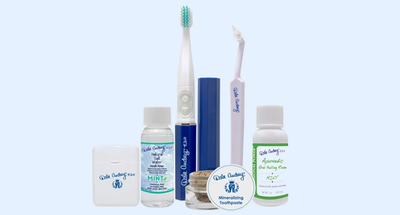
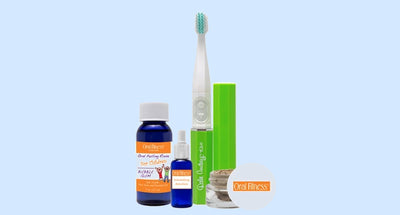
A gentle rinse can be a useful finishing step, particularly after meals or before bed. The goal is comfort and cleanliness, not a harsh burn. Dale Audrey R.D.H. formulates natural oral-care options with a focus on alcohol-free, gentle daily support for customers who want a cleaner approach to concerns such as dry mouth, sensitive gums, plaque buildup, and bad breath.
Practical habits that can help overnight
Nighttime dryness often needs its own plan because saliva production naturally decreases while you sleep. Run a humidifier if your bedroom air is dry, especially during heating season. Address nasal congestion with guidance from a healthcare professional, and avoid sleeping with a fan blowing directly at your face.
Before bed, drink water, brush and clean between your teeth, then use a gentle non-alcohol rinse if desired. If you use a dry-mouth gel, spray, or saliva substitute, follow the label directions carefully. These products can provide temporary comfort, but they do not replace hydration, excellent plaque control, or evaluation of an underlying cause.
When Dry Mouth Needs Professional Care
Occasional dryness after a salty meal, a workout, or a poor night of sleep is usually not alarming. Persistent symptoms are different. Schedule a dental appointment if dry mouth lasts more than a couple of weeks, affects eating or speaking, causes frequent bad breath, or comes with new cavities, mouth sores, burning, white patches, or gum discomfort.
Your dental professional can look for signs of reduced saliva, plaque accumulation, enamel changes, fungal overgrowth, gum inflammation, and decay in areas that are easy to miss at home. They may recommend more frequent cleanings, fluoride support, a prescription-strength product, or a customized home-care routine based on your risk level.
Contact a physician promptly if dry mouth begins suddenly without an obvious reason, is severe, or occurs alongside dry eyes, joint pain, swelling, major thirst, frequent urination, unexplained weight change, or trouble swallowing. These symptoms do not automatically point to one condition, but they deserve medical evaluation.
Be particularly cautious with dry mouth in children, older adults, and anyone undergoing cancer treatment or managing complex medications. A small daily comfort issue can become a cavity or nutrition problem faster in these situations.
A Gentle Routine Is Preventive Care
Dry mouth is not something you have to simply tolerate. The right approach may be as straightforward as better hydration and a gentler rinse, or it may require a conversation about medication, breathing, or a health condition. What matters is responding early, before dryness turns into decay, inflammation, or persistent discomfort.
Pay attention to the pattern your mouth is giving you. A comfortable, well-moistened mouth is not a luxury - it is part of how your teeth, gums, breath, and whole oral environment stay healthy every day.


Leave a comment